I support remote work. It should come with accountability for results
Working from home during the pandemic helped me focus on coding. My frustration with management's preference for face-to-face work, and why I think the freedom to choose where to work must come with responsibility for results.
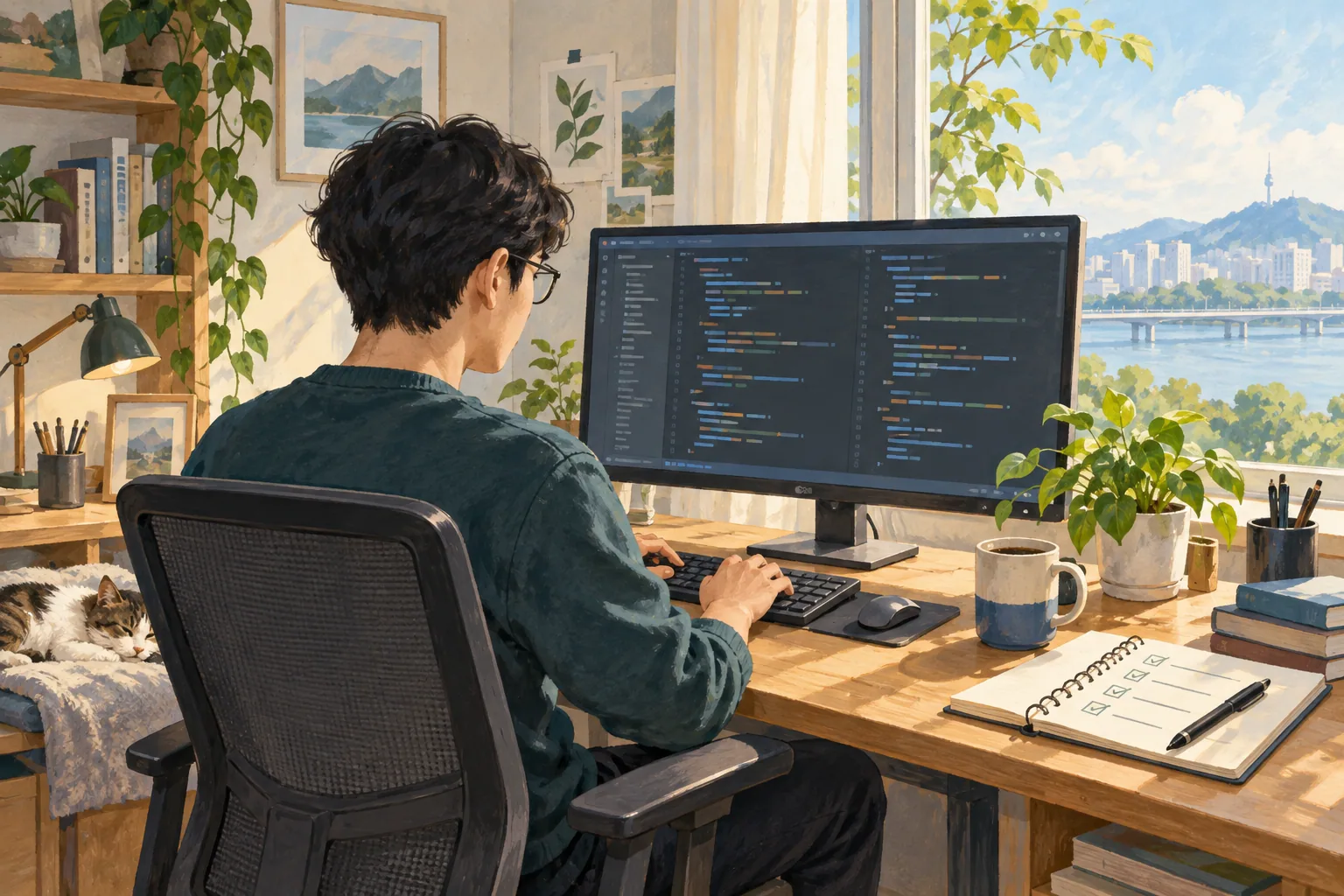
I am strongly in favor of remote work. I have tried it, and I was able to work better than when I went into the office.
Working from home during the pandemic reduced the time I spent on unnecessary tasks. I could focus more on coding and felt more productive. It also helped to spend less time and effort on unnecessary meetings and communication.
So when I hear arguments against remote work, I first want to understand the reason. Did the results actually get worse, or is the manager uncomfortable because they cannot see their employees? I think we need to distinguish between the two.
Management that needs to see faces to feel reassured frustrates me
What particularly frustrates me is treating a desire to see people and speak in person as a business requirement.
If gathering together would solve a problem, explain the problem. A manager should be able to say what was delayed, which information failed to reach someone, and what would improve by meeting in person. Without that explanation, I find it hard to agree with a demand to come in simply so everyone can see one another.
I understand that managers may find conversation easier in person. But it does not automatically follow that everyone else must be in the same place for their convenience. The time those people spend in meetings and conversations is working time too. A manager's comfort should not be the only consideration.
When I see this attitude, I think it feels old-fashioned. I mean a way of working, not someone's age. The belief that people need to gather nearby and see one another for work to go properly reminds me of face-to-face community life in an agrarian society.
We have moved from agrarian society through industrialization to the information age. Should being in the same physical space still matter so much when managing knowledge work? I sigh when I see Korean managers take this habit of prioritizing in-person contact for granted.
As a developer, I want to be judged on whether I solved the assigned problem and built the required features properly. I do not want to work in an organization where sitting in front of a manager every day is an important basis for evaluation.

I would allow remote work if I ran the company
Someone might ask whether I would feel the same way if I were running the company. My answer is yes.
If an employee does their assigned work properly from home, I see no reason to force them into the office. Let them choose where to work, and make their responsibilities and expected results clear.
For development work, that starts with agreeing on the problem to solve, the required quality, and the deadline. Getting necessary information to colleagues on time is part of the job too. Writing code alone does not remove responsibility for collaboration.
A company that allows remote work needs managers who can evaluate people on those terms. Explaining expected results and judging actual results will probably take more effort than checking whether someone is sitting nearby. I believe that is what a manager should be doing.
When results fall short, reviews and rewards should reflect it
Supporting remote work does not mean being indifferent to performance.
If a company gives employees the freedom to choose where to work, they need to deliver their assigned work under those conditions. If they do not produce the agreed results, a lower performance rating or no performance bonus should be possible. The lowest performance can warrant the lowest rating. Working remotely does not reduce that responsibility.
In a society with more flexible employment, I believe consistently failing to meet expectations should also be able to justify ending an employment relationship. This is the principle of employment and evaluation I would like to see. If I ran a company, I would grant autonomy and require accountability for results in return.
For that evaluation to be credible, the criteria must be clear. Managers should not introduce expectations they never explained when assigning the work, or blame employees for delays caused by their own postponed decisions. Reviews should be based on what was assigned and what was delivered.
The same principle should apply to people who work in the office. An evaluation is not fair if being at a desk every day excuses poor results.

If you want autonomy, you need to accept responsibility too
My idea of remote work explicitly includes employee responsibility. We cannot ask managers to stop controlling where people work while also asking them not to hold employees accountable for the results.
I believe that enjoying those benefits and decision-making rights should come with corresponding responsibility and results. If someone demands autonomy but rejects evaluation based on performance, I do not think they are ready to work as a knowledge worker in the information age.
If someone does not want responsibility for the results of their work, I think it would be more honest to argue for a society in which they could live on a basic income without working. I cannot agree with accepting pay for assigned work at a company while refusing responsibility for the outcome.
This requirement applies to me too. If I choose remote work, I need to do my assigned work in that environment. When the result falls short, I should explain what was missing and accept the evaluation. I cannot demand guaranteed compensation simply because I want to work comfortably.
I will continue supporting remote work. Having done it myself, I could concentrate better and reduce unnecessary meetings and communication. I do not want to give up those advantages because a manager prefers face-to-face contact.
I want to work for a company that lets people choose where they work and evaluates the results of their assignments. If I run a company one day, I want to follow the same principle.